Sensate
A patented chest-worn device ($269) that delivers low-frequency infrasonic vibration to tone the vagus nerve for stress and sleep — one of the more evidence-cited consumer devices in this region.
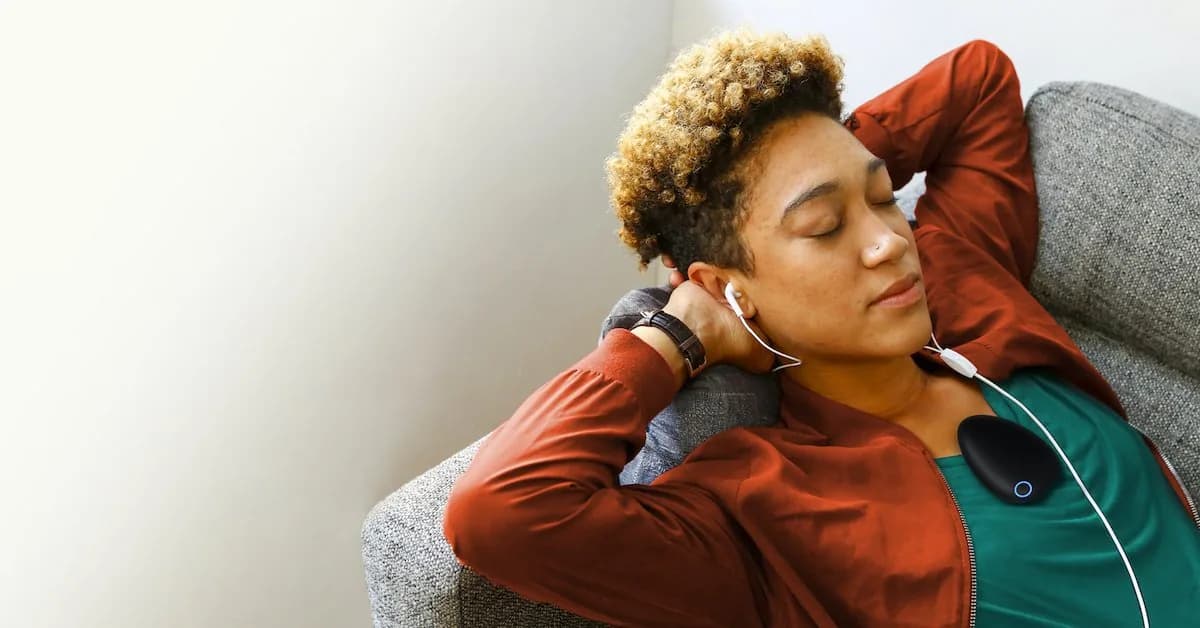
- The maker states the device delivers low-frequency sound vibrations through the chest to tone the vagus nerve and regulate the nervous system via 'acoustic vagal nerve stimulation (aVNS).'
- Specific claimed outcomes include 48% stress reduction over 28 days, +55 minutes of extra sleep per night, and anxiety relief in 10-minute sessions.
- The company cites a 'Maastricht Study,' a TM Studios research-lab study, and a Sensate sleep pilot study; the device is patented and priced at $269.
Named as a supporting study on the site — independently checkable by name, though its specific relationship to Sensate's claims needs verification.
The claimed mechanism. Vagus-nerve stimulation is a real and researched intervention clinically; whether infrasonic chest vibration achieves it is the open question.
A company-referenced pilot — the Atlas has not confirmed whether it is independent or published.
EVERY NAME LINKS TO ITS PAGE ON THE MAP — SEE WHO ELSE CITES IT. NAMING A SOURCE IS NOT ENDORSING IT.
- Are the cited studies (Maastricht, sleep pilot) independent and published, or company-run?
- Does infrasonic chest vibration actually stimulate the vagus nerve as claimed, versus producing general relaxation by another route?
- How do the specific figures (48% stress reduction, +55 min sleep) hold up against a placebo/sham device?
Sensate sits in the 'consumer calm-tech' band alongside Muse and Apollo — a real, patented, crowdfunded-origin product with a broad user base and specific (if company-sourced) numeric claims.
The mechanism it invokes — vagus-nerve toning — is legitimate clinical territory; the open question is whether this particular delivery method achieves it, not whether the target is real.
Did objective stress/sleep markers move versus a sham device?
Company figures exist; the Atlas is collecting independent HRV/sleep data from users.
Report from the field →Muse
A consumer EEG headband (around $539 for the Muse S Athena) using real-time neurofeedback for meditation, focus, and sleep tracking — the most mainstream, evidence-backed device in this region.
NuCalm
A patented neuroacoustic app (plus an optional biosignal-processing disc) claimed to induce deep relaxation and recovery without drugs — heavily adopted in dentistry, pro sport, and by named public figures.
Apollo Neuro
A physician-founded wearable ($448) delivering gentle patterned vibration to signal safety to the nervous system — the entry in this region with the most substantial trial infrastructure.