Muse
A consumer EEG headband (around $539 for the Muse S Athena) using real-time neurofeedback for meditation, focus, and sleep tracking — the most mainstream, evidence-backed device in this region.
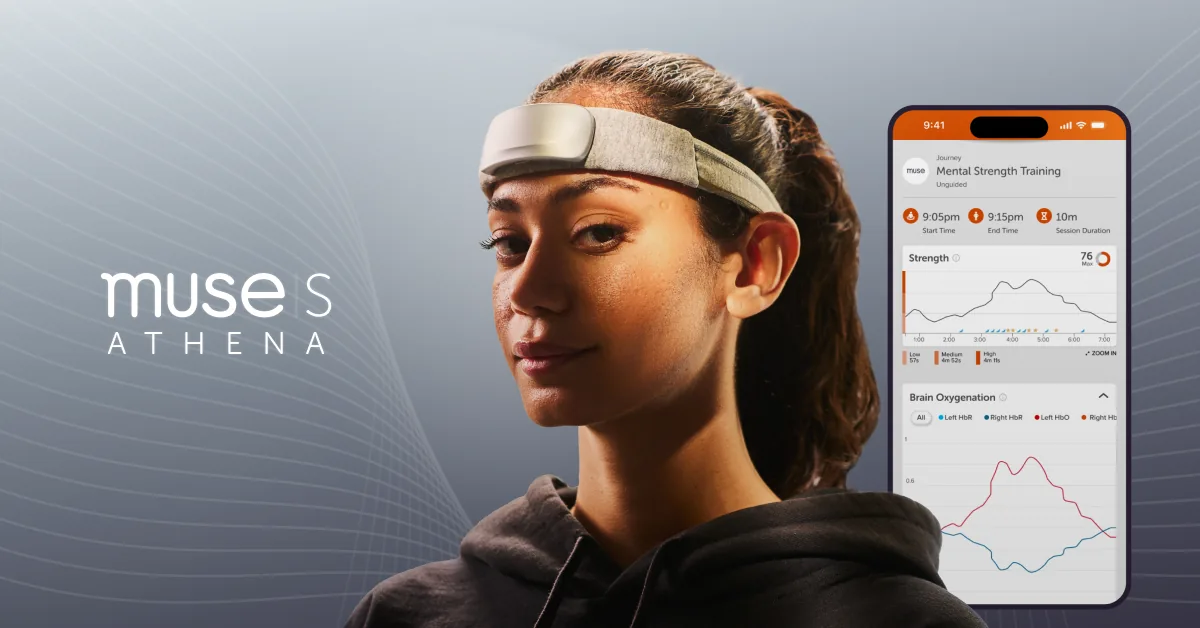
- The maker states the headband translates real-time brain activity into audio cues to train focus and calm, adds fNIRS-based 'mental stamina' training, and tracks sleep at a claimed 88–96% PSG (polysomnography) accuracy.
- A 2021 study led by Western University (with Cambridge Brain Science, Hatch, and Interaxon) is cited as showing measurable benefits, including a stated ~20% improvement in sleep quality.
- The device is described as the world's most popular consumer EEG device; the Muse S Athena is priced at $539.
A named, university-led study — independently checkable, and stronger sourcing than most of this region.
The clinical sleep-measurement standard the device claims to approximate — a real, testable benchmark.
Named on the site as institutions that have used Muse hardware in research. The claim is that researchers use the device, not that these institutions endorse its consumer benefits — worth reading precisely.
EVERY NAME LINKS TO ITS PAGE ON THE MAP — SEE WHO ELSE CITES IT. NAMING A SOURCE IS NOT ENDORSING IT.
- For the marquee institutions (NASA, MIT, Harvard) — what did the research actually study, and does any of it bear on the consumer meditation/sleep claims specifically?
- How does the claimed 88–96% PSG sleep-staging accuracy hold up in independent validation, versus the company's own figures?
- Does the neurofeedback training produce durable focus/calm improvements, or only in-session effects?
Muse is the most mainstream and research-adjacent device in this region — a genuine consumer-neurotech company with real EEG hardware used in actual academic labs, not a fringe claim.
It marks one edge of the Atlas's Healing Tech territory: where 'frontier healing tech' shades into validated consumer wearable neurotech, useful as a calibration point against the more speculative entries nearby.
Does the neurofeedback produce lasting change, or only during sessions?
University pilot data exists; the Atlas is collecting longitudinal user data on durability of effect.
Report from the field →Sensate
A patented chest-worn device ($269) that delivers low-frequency infrasonic vibration to tone the vagus nerve for stress and sleep — one of the more evidence-cited consumer devices in this region.
NuCalm
A patented neuroacoustic app (plus an optional biosignal-processing disc) claimed to induce deep relaxation and recovery without drugs — heavily adopted in dentistry, pro sport, and by named public figures.
Apollo Neuro
A physician-founded wearable ($448) delivering gentle patterned vibration to signal safety to the nervous system — the entry in this region with the most substantial trial infrastructure.